Alice Bishop was born in 1616 not much was known about her. There are a couple of theories about her beginnings. One is that she may have come over on the Mayflower. Her parents may have been Christopher Martin and Marie Prower. Those two did not survive long enough to see the settlement of Plymouth. They died in January of 1621 which would mean she was orphaned in a new land. Another theory is that she was an indentured servant brought over in 1632. However, it's never going to be positive where her start was.
Alice was married twice. Her first marriage was to George Clark in January of 1639. She would have two daughters with him, Abagail (1641) and Martha (1644). George would also die in 1644. On December 5th Alice would marry 24-year-old Richard Bishop. The two would have a daughter, Damaris (1645). They would live in Plymouth, Massachusetts.
On July 22, 1648, Richard was away from home. Family friend 23-year-old Rachel Ramsden would drop by their home to spend time with 32-year-old Alice. At the time 4-year-old Martha was sleeping in a bed in the loft. It was a place only accessible by a ladder. Alice did not seem any different.
Alice would ask Rachel to go get some buttermilk for her from a neighbor's house. Rachel would agree to do so. Alice would give her a kettle and Rachel would leave to go get some for her. When Rachel came back to the home she saw something very alarming.
There was a puddle of blood under the loft ladder. Rachel would describe Alice as sad and dumpish. She would ask her why there was blood. Alice would only point up the ladder. Rachel climbed up the ladder and saw a horrifying sight. There was blood everywhere and even the mattress was soaked in it. It was all Martha's as she had been killed.
Rachel would flee the home and run to her parents. She would tell them of Alice's deed. Her father would then find the colonial governor and they would gather 12 men to go to the Bishop's home. Alice was in hysterics when they arrived.
The men would ascend into the loft to find Martha's body with the murder weapon next to her. She was lying on her left side. There were numerous cuts in her throat and she was stabbed in the windpipe. She was gone and there was no way to help her. It was a brutal and violent murder.
When they asked Alice why she murdered her daughter she had no idea. She stated that she did not remember doing that she had no answer for them. That she was sorry for killing her daughter.
On October 4th the trial for the murder would begin. Bradford was in attendance along with all General Assistant and a jury of twelve colony men. Alice would be found guilty of the murder and would be set to hang.
She was the fifth person hanged in the Plymouth Colony and the first woman.
We will never know why Alice Bishop killed her daughter Martha, and why she did it in such a ferocious manner. It's never stated where the other children were, but why did she only kill Martha.
SOURCES:
Murderpedia
Showing posts with label Throat Slit. Show all posts
Showing posts with label Throat Slit. Show all posts
Sunday, July 21, 2024

Sunday, June 9, 2024
Murder of Georgiana, William, Cary, Harriet, Henry, and George Brough
Queen Victoria ruled Great Britain for 63 years. For all nine of her children, that she had in 17 years, she had wet nurses for each one. On November 9, 1941, future King Edward VII was born, and by the bedside was his wet nurse, Mary Ann Brough.
She would be dismissed soon after because she did not seem to follow instructions and did not seem to be able to provide proper nutrients for the future king. Even though she was dismissed no one would have known that she would have killed her own children 13 years later.
Mary was married to her husband George. He worked for the Royal family just as his father before him had. Their family lived in Esher, England. They had 7 children together,19-year-old Mary, 11-year-old Georgiana (Georgy), 8-year-old William, 7-year-old Cary, 4-year-old twins Harriet and Henry, and 2-year-old George, and an unnamed child.
In 1854 he would suspect her of an affair as she would go out often. He would hire a private detective to follow his wife. On May 29th she would be seen meeting another man at the tavern The two would also be seen entering a questionable house. George would accuse her of cheating. Feeling betrayed by the woman he loved he left on June 6th. He also told her that he was going to come back for the children and take them away from her. He would refuse to talk or communicate with her.
On the night of June 9th Mary was in a bad place. She would put the children to bed and try to go to sleep in a chair. Her oldest daughter would ask her to go to sleep in bed around 9 pm. She would go to bed. The children would ask her to bring them barley water up until midnight.
Mary would look for a candle though she had one lit by the chair. She said there was a black cloud above her. She could not see, however. She then would think about slitting her own throat and would search in the dark for her husband's razor. She would find his keys and then find his razor.
With the razor, she would go to her daughter Georgy and slit her throat without looking at her. There was no resistance. She would then go to Cary and do the same. The next victim was Henry and he would say "Don't mother" and she would tell him "I must" before slitting his throat. She would move onto Bill turn him over and do the same. He never woke up. Harriet and George were the last ones and there was no resistance. Harriet however struggled the most as she died. Mary would then slit her own throat.
She said that she lay there for a long time and then went to get a drink. She said that the black cloud was gone. It then hit her on what she did so she placed something bloody in the window because she could not call out to anyone. She then undid the bolt to the front door.
On the morning of June 10th two men, Mager and Peasley, were walking past the Brough home and spotted something shocking. There was a blood-soaked pillow on the second-story back window sill. The two men would notify neighbors of there being possible trouble at the home. They would first try to ring the doorbell, but no one answered. The landlady would come and do the same, but more urgently.
Mary would then come up to a window and wave to them with a towel. One of the men would scale the wall and let the others in. They would come up to the house. Mary would not let them in as the door was locked. The man would see a ladder and climb through the window with the bloody pillowcase.
Mary would come up to the top of the stairs to the man's sight and see her more clearly. She was a mess covered in blood. When she turned to him he saw that there was a wound on her throat. He went back down the ladder and someone went to get the doctor.
John Crockford was in his garden when this happened. he spotted the commotion and they explained to him what had happened. He would also climb up the ladder and would go into the room of the bloody pillow.
Mary was lying on her side in the room. In one of the beds was one of the children. The house was a bloody mess. He would then make his way to the front door to unlock it. Passing one of the rooms he would see two dead at the end of a bed. He would notice that there was a pair of bloody boots and stockings under a table by the door. The lock and door handle also was covered in blood. He would leave the house and inform them that the children were dead.
Mary was still alive and bleeding out. She would be saved from her attempted suicide.
19-year-old Mary and her father would then see the children at their funeral. They were both extremely saddened by the tragedy. Mary would have been another victim if she had been in the home that night. Mary Sr would will all of her items to her remaining child.
While recovering she would be charged with murder. On August 8th she would go to the Surrey Assizes. She would admit that she did not want her children taken away from her. She would use a defense of insanity and the jury agreed with this as they returned with a verdict of not guilty on the grounds of insanity.
She would be ordered to be detained at her Majesty's Pleasure.
Murderpedia
Ranker
Newcastle Weekly Courant June 16, 1854
Manchester Courier and Lancashire General Advertiser June 17, 1854
Sunday, December 31, 2023
Murder of Hester Vanauken
On News Years 1821 in Wantage, New Jersey Hester Vanauken, was at her sisters home. Her husband Wilhelmus would send a black boy to tell her to come home that he was near dying. She paid no attention as she knew it was a lie. He would send the boy again with the same message and as a response this time the Hester and her sister invited him to come over for dinner with them.
SOURCES:
Wilhelmus would join his wife and sister-in-law for dinner. That night she would return home with him. That night she went to bed and he read a book. Three of the children were asleep and Hester's daughter and Wilhelmus's step daughter was out of the house. He would then find her sleeping in the bed and put out the fire and candle. This was when attempted to cut her throat with a double bladed knife.
She would wake up and nearly overpowered him as she tried to escape. Because he didn't succeed in cutting her throat he took a larger stick of wood and beat her on the head with it. He would then hit the back of her head with an andiron. It's unknown which blow killed her, but it was brutal.
Wilhelmus would go to a neighbor to admit what he had done and ask the women to lay her out. He would go to another neighbor to do the same. He told both houses to bring their own light as there was none in the house. Wilhelmus would return to his home with the neighbors.
The neighbors came to a brutal scene with the walls and doors and floor covered in blood. She was nearly naked lying on her knees and face. Her body was covered in bruises, stab marks, and marks that looked as if she was stabbed with a fork. The knife laid half open on the floor, and the club had Hester's brains sticking to it. After the neighbors came one of the young children crept upon the scene of their murdered mother.
At the time Hester was 6 months pregnant. Wilhelmus starting from about 2 to 3 years before would frequently threaten to kill his wife and his stepdaughter. His step daughter was away from the home at the time and it was believed had she been home he probably would have killed her also.
Wilhelmus would be prosecuted and set for execution. He would be executed on January 22, 1822.
SOURCES:
Sussex County New Jersey Archives
The Hillsborough Recorder Jan. 31, 1821 pt.1
The Hillsborough Recorder Jan. 31, 1821 pt.2
Newbern Sentinel Feb. 10, 1821 pt.1
Newbern Sentinel Feb. 10, 1821 pt.2
Wednesday, November 29, 2023
Murder of Eliza Mary Bowen
In 1898 or 1899 Richard Wigley, a butcher, would meet Eliza Mary Bowen. In June of 1900, Eliza had gone to live in a man's home and while there became really close with Richard Wiggle. Eventually, he would procure lodgings for her in Shrewsbury, England. At the time the reason he gave was in order for Eliza to be able to have a place to mend her clothes and get her things together until she moved on to another place. By then 54/53-year-old Richard had been separated from his wife and would frequently visit 27/28-year-old Eliza.
However, the 28-year-old had left that home and moved back to the Red Lion Inn in Westbury. She was trying to break off things with Richard. It was said that they were still on friendly terms.
On November 30, 1901, Richard got up early and walked 10 miles from his home in Shrewsbury to The Lion Inn where Mary was. Eliza was a barmaid for the Inn and when Richard arrived he drank. She would serve him several glasses.
He would eventually be seen with his arms around and Eliza cried out, "Man, what do you mean?" She would then ask a servant to fetch a policeman, but she successfully released herself from him so no one went to get an officer.
She would then go and retrieve some wine. Richard would follow her and she would call for the servant to take the alcohol. Richard would place his left arm around her neck and with his right, he pulled out a knife he had hidden in his pocket to her neck.
The other servant girl witnessed this and ran to get help. When she and a blacksmith got back to the hotel Eliza was on the doorstep with her throat bloodied. Richard would come out and say "I've done it, lads, for love." He may have left a note for Eliza's sister in the kitchen stating the same that he did it for love.
When the police came he stated the same thing that he had done it for love. When asked for his plead he stated " I don't know what I was doing that morning." To which the judge took as a plea of not guilty. During the trial, he was found guilty and was set for execution.
On March 18, 1902, 54-year-old Richard Wigley was executed. He showed penitence for the murder even stating he had no idea how he could have done it. He had eaten a good breakfast and walked steadily to the scaffold.
SOURCES:
British ExecutionsMurder Research
Liver Pool Daily Post December 2, 1901
Western Gazette December 11, 1901
The Uttoxeter New Era, and General Advertiser December 11, 1901
The Wells Journal March 06, 1902
Monday, June 12, 2023
Murder of Hannah Davis
In 1829 21-year-old David Evans and Hannah Davis were loved each other in Wales. They were not wed yet,but in April Hannah would become pregnant. David was a Husbandry Laborer and Hannah worked as a servant for a farmer. David claimed he loved her and was very attatched.
On June 11th Hannah would visit David and ask him if he would go with her to see her family on Saturday the 13th. He was agree to go with her and they spent the next two hours together. He would promise that would,meet her on the road near Esgar Fynwent.
When the day came David would leave home between 9 to 10 and took a bill hook (a tool similar to an axe and a knife) with him. He would tell his sister that he was going to mend some gaps in the hedges. He began working and before closing one gap Hannah came to him. She would ask him if he was coming and he did not want to. He gave the excuse that his sister was washing his stockings. This did not work with Hannah and she told hime "Come this night, or I will never forgive you".
David would hide the bill hook underneath his jacket and walked with her. They proceeded to walk along the road to Cwm-sifigw, in the parish of Llanybyther. When the two would get to Pencader mountain David would use the bill hook on her. He would slash her throat which did not make her fall, but then he would stab at her causing her to fall. He would use it no less than 14 times. She would fall into the ravine.
He would claim to automatically feel regret as he murdered her and their unborn child. he would then run homeward and on the way dipped the bill hook in a pool of water to clean off the blood. There was no blood on his clothes.He would sneak into the home about 1 to 2 a.m. when he'd lay in bed for an hour. He would then clean his shoes and grease them. In order to trick his sister who he told the day before that he wasn't going with Hannah he finished the hedges.Hannah's body would soon be found. It was said that her blood caused the water to be red for two miles.
When police arrested David he had claimed innocence. He would go to trial and would be found guilty of the murder. He would be set to hang on September 21, 1829. David confessed to the murder just before he was to be hanged. He stated that just before the murder that the two were getting along and that he had done it out of jealousy. Jealousy of what was not stated or if he had planned to murder her all along that day.
On September 21 David would be hanged in Camarthen. with perperations done David gave the signal he was ready by dropping a handkerchief. The bolt would draw but the hook gave way and instead of hanging he landed on his feet. He expected to be reprieved, telling the officials that “He had been hanged once and they had no more to do with him”. This was not the case though as it was to be hanged till dead. He would be hanged a few minutes later and would hang for an hour. His body would be sent for disection.SOURCES:
Executed Today
The Bristol Mercury and Daily Post, Western Countries and South Wales Advertiser June 30, 1829
The Taunton Courier, and Western Advertiser, for Somerset, Wilts, Dorset, Devon and Cornwall July 8, 1829
The Western Flying Post or Sherborne and Yeovil Mercury July 13, 1829
Chester Chronicle, and Cheshire and North Wales General Advertiser September 25, 1829
Sheffield and Rotherham Independent October 3, 1829
Monday, April 25, 2022
Murder of Eliza Wilkinson
On April 26, 1880, 9-year-old Eliza Wilkinson and her sister 16-year-old Elizabeth went around Derby, England selling comb boxes that their father, James, made. They left their home on 67 Bridge St. with 14 comb boxes they were selling for half a penny each. They would sell 12 of the 14 boxes and decided to take a box each. About 11 a.m. they would make it to Green St. and Elizabeth gave her a comb box to sell on her own. Eliza would speak to a number of people and would be unsuccessful in selling the box. This was when Eliza went missing.
Elizabeth didn't know what happened to her young sister and would return home around 11 a.m.and asked her father if Eliza returned home. The girl did not. Elizabeth explained to her father that she was trying to sell hers on one side and Eliza on the other. Her father would send her and her younger brother, James, to look for Eliza again.
When they returned to look for her they asked residents if they had seen her. One woman would tell the two young children of their sister's fate. "A man has killed your sister." The children shocked made their way to Tan Yard and in the house of 28-year-old John Wakefield that he shared with his mother and brother was the police. Inside Eliza had been murdered.
James would return home and tell him that a man has Eliza in his house. The two would head to where Eliza was. The father would see his daughter lying near the stairs inside in a puddle of blood.
John had Eliza come into the home and had slit her throat cutting it twice. Her death wouldn't have been sudden, she would have died between 5 to 10 minutes. Eliza had bruises on her knees it was unknown if this happened before the murder or during. One knee had fresh scratches though. She was not sexually assaulted.
After he had murdered her he turned himself into the police. It's believed that it was a homicidal impulse that he had killed the girl. He would state that he was "tired of his life" was the reason he killed the girl. He was quiet about why he killed the girl though.
John was a quiet homebody. There is little information on his criminal past, but according to the book Deadly Derbyshire" Tales of Murder & Manslaughter c.1700–1900, in 1871 John was convicted of assaulting a young child.
John would be convicted and set to be executed. He was hanged on August 16, 1880.
SOURCES:
Murder Research
The Derby Mercury May 5, 1880
Birmingham Daily Post August 17, 1880
Deadly Derbyshire: Tales of Murder & Manslaughter c.1700–1900 by Scott Lomax Chapter 38
The Lancet, Volume 2; Volume 119 pg. 269
The Lancet, Volume 2; Volume 119 pg. 269
Saturday, February 19, 2022
Murder of Doris E. Baker

Doris E. Baker was a mother of two and wife of Leo Baker. She owned Floor Covering Store, Inc. with her husband in Barre, Vermont. On Wednesday, February 19, 1958, at 4:40 John A. Corrigan, a customer, came into the Baker's store in order to pick up his linoleum order. He at first saw nobody, but then spotted 45-year-old Doris E. Baker lying sprawled behind the counter.
She had been beaten with a hammer and then her throat was sliced and other parts of her were also cut. It could have also been a sexual assault. It was believed that it was either done by a sexual deviant and or a robbery gone wrong.
$50 was stolen from the store which would be equal to $425.06 in today's money. But her purse which had $150 in it was left untouched at the scene. Later there was a bloodstained $10 bill found and it could be possible that it was part of the money that was stolen.
There have been many suspects involved in this case. One suspect was Parran Youngblood a deaf/mute man who was seen in Barre that day. He was later shot and killed in Georgia in 1958 for supposedly kidnapping a 7-year-old child. There was no solid evidence that it was him. There were other suspects also, but none were found to be prosecuted with the murder of Mrs. Baker.
As a result of Doris's death, many of the residents in Barre became paranoid and scared. Several stores commented that they had sold out or almost sold out on-chain latch door locks and other kinds of door locks. Many residents even were scared to even let political door-to-door campaign members enter their house thinking that it may be the murderer.
SOURCES:
The Burlington Free Press Feb. 22, 1958
The Burlington Free Press Feb. 25, 1958
Bennington Banner April 2, 1958
The Burlington Free Press April 9, 1958
Bennington Banner August 30, 1958
Saturday, December 18, 2021
Murder of Sarah Mitchell
Samuel Mitchell and his wife officially separated on December 17, 1804. Against her father's wishes, 9-year-old Sarah stayed the first night with her mother. This would upset Samuel.
The next day Sarah would go to her father's who was a weaver on Wheeler Street in Spitalfields, England. Sarah had helped out in the shop with quilling and her wheel was heard that morning. At 11:30 a.m. Samuel called downstairs to ask for the time. Between 11:30 and 12:30 he had used his shaving razor to slit his daughter's throat, the cut was so deep she was almost decapitated. The scene was bloody. At 12:30 he left and soon after he was gone a William Godby discovered Sarah's body.
Samuel to go to a friend telling him he had killed his daughter. The two would get a drink and Samuel would smoke a pipe. Afterwards, his friend asked him what he was going to do. Samuel told him he was going to get money from some friends for prison because he planned to turn himself in.
He would be arrested later that day. He stated that his reason for killing his daughter was because he cared for her deeply. She did not want to be deprived of her and only see her occasionally. He decided that if he could not have her his wife would not either.
At trial, he was immediately found guilty by the jury. He would be executed on Jan. 14, 1805.
The Bury and Norwich Post Dec. 26, 1804
Jackson's Oxford Journal Dec 29, 1804
The Morning Chronicle Jan 12, 1805
The Leeds Intelligencer and Yorkshire General Advertiser Jan. 21, 1805
The Morning Chronicle Jan 12, 1805
The Leeds Intelligencer and Yorkshire General Advertiser Jan. 21, 1805
Friday, August 6, 2021
Mary Cacknall Wright Murders Her Newborn
Before 06 August 1873 20-year-old Mary Cracknall Wright had given birth to a baby. She was the daughter of the landlord of the Queen's Head Inn. She had slit the throat of her newborn twice and hid the body between the mattress and bed in her room in Bradwell, England. When asked she admitted to killing the child and that she had also planned to kill herself by slicing her own throat. A corners jury returned with a verdict of Willful murder.
SOURCES:
The Huddersfield Chronicle and West Yorkshire Advertiser 06 August 1873
The Huddersfield Chronicle and West Yorkshire Advertiser 09 August 1873
The Royal Cornwall Gazette, Falmouth Packet, and General Advertiser 09 August 1873
SOURCES:
The Huddersfield Chronicle and West Yorkshire Advertiser 06 August 1873
The Huddersfield Chronicle and West Yorkshire Advertiser 09 August 1873
The Royal Cornwall Gazette, Falmouth Packet, and General Advertiser 09 August 1873
Friday, June 4, 2021
Murder of Mathilda Russo
On June 4, 1921 7-year-old Mathilda Russo was outside of her Moorestown, New Jersey home around 7 and 8 that night. Her mother heard a scream but ignored it thinking she was just playing. It wasn't until later that night they found out that their daughter was missing. It wasn't until June 11th they knew what had happened to their daughter. Her mother didn't report the scream when they contacted the police.
A neighbor of the Russo's was that of a black family. The police did not initially suspect Louis Lively and interviewed him. He stated he had he and his wife and 5-year-old son had visited a south New Jersey town called Swanton. The family had previously lived there before they moved to their current home three months before. Police found that Louis's story was falling apart. He had a bad reputation in Swainton and had been in jail several times and he wasn't in Swainton.
This led police to search the home's cellar. She was found buried 3 feet under the dirt floor of the family's home. She was nude, had a bruised head, and her stomach and throat had been slashed. It was also found that the girl was sexually assaulted.
It turns out the Louis Lively somehow convinced the girl into his home. At the time his wife and son were out of the home. He then attacked and killed the young girl and likely died the night she disappeared. It was initially believed that his wife didn't know he killed the girl. They kept her in jail anyway.
Many of the black community in Moorestown were outraged about this crime. They had even asked if it was allowed to lynch Louis Lively. The black community wanted to do it themselves "as race itself is opposed to men like Lively".
Louis was found on October 19, 1921 and arrested in Vineyard, New Jersey. While being arrested he shot one of the police officers three times. After a long sleep in jail, Louis admitted that he did tell his wife that he murdered the girl before the body was found.
Louis went to trial and was charged with the Death Penalty. He was then executed on Jan. 17, 1922 by Electric Chair.
SOURCES:
Find A Grave
The Pioneer
The Morning Post
The Evening Times
Daily News
The Standard Union
Ironwood Daily Globe
The Cincinnati Enquirer
A neighbor of the Russo's was that of a black family. The police did not initially suspect Louis Lively and interviewed him. He stated he had he and his wife and 5-year-old son had visited a south New Jersey town called Swanton. The family had previously lived there before they moved to their current home three months before. Police found that Louis's story was falling apart. He had a bad reputation in Swainton and had been in jail several times and he wasn't in Swainton.
This led police to search the home's cellar. She was found buried 3 feet under the dirt floor of the family's home. She was nude, had a bruised head, and her stomach and throat had been slashed. It was also found that the girl was sexually assaulted.
It turns out the Louis Lively somehow convinced the girl into his home. At the time his wife and son were out of the home. He then attacked and killed the young girl and likely died the night she disappeared. It was initially believed that his wife didn't know he killed the girl. They kept her in jail anyway.
Many of the black community in Moorestown were outraged about this crime. They had even asked if it was allowed to lynch Louis Lively. The black community wanted to do it themselves "as race itself is opposed to men like Lively".
Louis was found on October 19, 1921 and arrested in Vineyard, New Jersey. While being arrested he shot one of the police officers three times. After a long sleep in jail, Louis admitted that he did tell his wife that he murdered the girl before the body was found.
Louis went to trial and was charged with the Death Penalty. He was then executed on Jan. 17, 1922 by Electric Chair.
SOURCES:
Find A Grave
The Pioneer
The Morning Post
The Evening Times
Daily News
The Standard Union
Ironwood Daily Globe
The Cincinnati Enquirer
Thursday, June 3, 2021
Murder of Milly Ludwick (Campbell)
On June 4, 1867, in Rowan County, North Carolina 21-year-old Rufus F. Ludwick (Ludwig) killed his bride of 11 days 19-year-old Milly (Campbell). He had shot her through the head, slit her throat, and weighed her body down in a creek.
On June 27, 1868, Rufus would hang in Salisbury.
I could only find two sources on this murder, the other one was behind a paywall, and could not read the article.
SOURCES:
Legal Executions in North Carolina and South Carolina Page 15
Wednesday, October 14, 2020
Murder of Emily and William Cockin
26-year-old George Cockin and his wife separated In September 1878. It wasn't said why the two separated, but it could be because his wife was an alcoholic at the time. The residents at the place they l lodged with Mrs. Hubbarks on Philidelphia Street in Bristol, England did not like her. She had been stealing curtains and linen from their landlord to sell for alcohol. When she left George was living with his five-year-old daughter Emily and 3-year-old son William. By October they had been living there for 5 months.
It was known that his wife would try to see the children while George was not home. He never saw her, but knew she was going to try to take the children away from him. On October 13, 1878, the children's mother came to the home again. This time she brought toys with her for the children. He told someone else lodging there that to tell her she was unwelcomed and to go back to the man she was with.
The next morning on October 14 George went out and bought a frock and boots for his son. He did not go to work this day and seemed to be going in and out of the house constantly. He seemed sober for most of the day though. He then went out with the children for dinner. They arrived back home about a quarter to 5. He was witnessed holding his children's hands saying; "Come on Emmy and Willie; come with dada upstairs."
Another witness said that the children had seemed upset before going up. They had heard George take off his boots and then told the children to go to bed.
They then followed their father upstairs. William had come downstairs several times within 10 minutes and Emily came down each time to get her brother. About 5 or so minutes later George came downstairs crying. He did not have his boots or coat on anymore. He was also bleeding from his neck as he had tried to slice it. He said, "Mrs. Fowler do go up; I have killed my children."
Mrs. Fowler scared for the children rushed upstairs to find the children. Emily was lying on the floor of the landing and William was lying on the bed. Both of them had their throats slit, but were still alive. The room was said to be covered in blood.
The two children were carried to the infirmary. It was said that William's wounds were worse, but Emily was close to death. So they tried to work on Emily first, but she died within minutes. They then worked on William, but unfortunately, he also died 30 minutes later from his wound.
Witnesses claimed that George never mistreated his children. That he seemed to actually take great care of them. They noticed that he was sober most part of the day and seemed to be sober when he went upstairs with the children. He was drunk when he came back downstairs though.
His family was interviewed and asked if there was a history of mental illness in the family. His brother responded with a yes. They had several family members who were put in an asylum including a brother named William who died in one in 1869. A servant of his sister stated that she had once witnessed him 6 years before putting his head in a boiler hole saying he wanted to destroy himself and he was miserable. He did have a history of acting strange.
He pled guilty for his daughter Emily's murder, but pleaded not guilty for William. His defense didn't claim that he didn't murder the children, but did so in a fit of insanity due to intoxication. The jury found him not guilty on that ground.
SOURCES:
The Bristol Mercury and Daily Post, Western Countries and South Wales Advertiser (Oct. 15)
It was known that his wife would try to see the children while George was not home. He never saw her, but knew she was going to try to take the children away from him. On October 13, 1878, the children's mother came to the home again. This time she brought toys with her for the children. He told someone else lodging there that to tell her she was unwelcomed and to go back to the man she was with.
The next morning on October 14 George went out and bought a frock and boots for his son. He did not go to work this day and seemed to be going in and out of the house constantly. He seemed sober for most of the day though. He then went out with the children for dinner. They arrived back home about a quarter to 5. He was witnessed holding his children's hands saying; "Come on Emmy and Willie; come with dada upstairs."
Another witness said that the children had seemed upset before going up. They had heard George take off his boots and then told the children to go to bed.
They then followed their father upstairs. William had come downstairs several times within 10 minutes and Emily came down each time to get her brother. About 5 or so minutes later George came downstairs crying. He did not have his boots or coat on anymore. He was also bleeding from his neck as he had tried to slice it. He said, "Mrs. Fowler do go up; I have killed my children."
Mrs. Fowler scared for the children rushed upstairs to find the children. Emily was lying on the floor of the landing and William was lying on the bed. Both of them had their throats slit, but were still alive. The room was said to be covered in blood.
The two children were carried to the infirmary. It was said that William's wounds were worse, but Emily was close to death. So they tried to work on Emily first, but she died within minutes. They then worked on William, but unfortunately, he also died 30 minutes later from his wound.
Witnesses claimed that George never mistreated his children. That he seemed to actually take great care of them. They noticed that he was sober most part of the day and seemed to be sober when he went upstairs with the children. He was drunk when he came back downstairs though.
His family was interviewed and asked if there was a history of mental illness in the family. His brother responded with a yes. They had several family members who were put in an asylum including a brother named William who died in one in 1869. A servant of his sister stated that she had once witnessed him 6 years before putting his head in a boiler hole saying he wanted to destroy himself and he was miserable. He did have a history of acting strange.
He pled guilty for his daughter Emily's murder, but pleaded not guilty for William. His defense didn't claim that he didn't murder the children, but did so in a fit of insanity due to intoxication. The jury found him not guilty on that ground.
SOURCES:
The Bristol Mercury and Daily Post, Western Countries and South Wales Advertiser (Oct. 15)
Friday, August 28, 2020
Murder of Alice Hole
On the night of August 28, 1874, Alice Hole was sitting on her front porch of their Bristol, England home drinking and waiting for her husband William Hole. She would do this when he was home late. Sarah Cocum a life in domestic servant asked Alice to come inside to go to bed, but she refused. Sarah left Alice on the doorstep to go visit her brother.
Unfortunately, William was also blind drunk when he got home. This lead to yet another fight when he arrived home that night.
When she saw him coming up the road she went inside. Soon after he came inside the house she left and stood in the road near pavement across from their door. He soon came out. They insulted each other and called each other "blackguards". He then hit her so hard she fell to the ground. He locked the door behind him leaving her outside. She crawled to a neighbors doorsteps and sat there for a couple of minutes before going back to her own.
She told her neighbor "I shan't go in tonight." The neighbor reminded her that if the police come by she'd have to go inside.
A few minutes he asked her to come back in and her response was. "When I like." He came out another time just after 11 p.m. to ask her to come in and she also refused. He came out a third time a few minutes later. Alice was in the midst of standing up when he knocked her down. The neighbor who was out their went inside their house and locked the door scared.
Other neighbors witnessed what had happened. William fought with Alice and slit her throat. He then threw the knife against the wall and left it on the pavement when he was done. She was in the sitting position. Someone went to get the police.
William stood on the doorstep and told them that she was not to come in the house. They begged him and he stated, "I've killed her, and I shall be hung for her." A few of the neighbors went and carried Alice into her home anyway. They tried to help stop the bleeding but were unsuccessful.
One person took the knife with them to keep it from William. William followed and asked for the knife, but they refused to give it to him. Sarah returned to the Hole's home from her brothers right after the murder had occurred.
William didn't resist the arrest when they came to get him. He wanted a glass of Brandy before leaving, but the police refused.
An autopsy showed three bruises under the left collarbone, on the right shoulder and the left thigh. Her fingers on her left hand were cut to the bone. Her throat was sliced twice. One was two inches from the chin and the second was lower, deeper and hit her windpipe.
William was prosecuted and executed on April 26, 1875.
The two had been married for around 30 years and were around their 50's. They had one child together and unfortunately, he had died. They seemed to be a loving couple except when they were drinking. In which their fights would become extreme especially in the last 6 or so months. People suspected something would eventually happen.
William was suffering from chronic headaches after a head injury. Despite how he had decided to murder his wife he wasn't crazy. He was a successful businessman and employed several people. He and Alice were well liked in the area.
SOURCES:
Executed Today
The Bristol Mercury and Daily Post, Western Countries and South Wales Advertiser
Unfortunately, William was also blind drunk when he got home. This lead to yet another fight when he arrived home that night.
When she saw him coming up the road she went inside. Soon after he came inside the house she left and stood in the road near pavement across from their door. He soon came out. They insulted each other and called each other "blackguards". He then hit her so hard she fell to the ground. He locked the door behind him leaving her outside. She crawled to a neighbors doorsteps and sat there for a couple of minutes before going back to her own.
She told her neighbor "I shan't go in tonight." The neighbor reminded her that if the police come by she'd have to go inside.
A few minutes he asked her to come back in and her response was. "When I like." He came out another time just after 11 p.m. to ask her to come in and she also refused. He came out a third time a few minutes later. Alice was in the midst of standing up when he knocked her down. The neighbor who was out their went inside their house and locked the door scared.
Other neighbors witnessed what had happened. William fought with Alice and slit her throat. He then threw the knife against the wall and left it on the pavement when he was done. She was in the sitting position. Someone went to get the police.
William stood on the doorstep and told them that she was not to come in the house. They begged him and he stated, "I've killed her, and I shall be hung for her." A few of the neighbors went and carried Alice into her home anyway. They tried to help stop the bleeding but were unsuccessful.
One person took the knife with them to keep it from William. William followed and asked for the knife, but they refused to give it to him. Sarah returned to the Hole's home from her brothers right after the murder had occurred.
William didn't resist the arrest when they came to get him. He wanted a glass of Brandy before leaving, but the police refused.
An autopsy showed three bruises under the left collarbone, on the right shoulder and the left thigh. Her fingers on her left hand were cut to the bone. Her throat was sliced twice. One was two inches from the chin and the second was lower, deeper and hit her windpipe.
William was prosecuted and executed on April 26, 1875.
The two had been married for around 30 years and were around their 50's. They had one child together and unfortunately, he had died. They seemed to be a loving couple except when they were drinking. In which their fights would become extreme especially in the last 6 or so months. People suspected something would eventually happen.
William was suffering from chronic headaches after a head injury. Despite how he had decided to murder his wife he wasn't crazy. He was a successful businessman and employed several people. He and Alice were well liked in the area.
SOURCES:
Executed Today
The Bristol Mercury and Daily Post, Western Countries and South Wales Advertiser
Wednesday, August 26, 2020
Brutal Unsolved Murder of Annie Wiese

On August 26, 1893, 20-year-old Anna "Annie" Wiese was over at Aurthur Hill's home in the Vienna Township, where they both lived. The two were friends and she left the home around 10 p.m. and walked home in the bright moonlight. Someone was hiding in the shadows and took their chance to attack her.
The person or persons who attacked her both clubbed her around the head, stabbed her several times in the breast in back, and slit her throat almost decapitating her. She fought back and was able to grab a tuft of hair from her assailant. Her screams were heard by her employer's family who lived nearby.
He and his son ran out to save whoever was screaming. When they got to the area she had stopped screaming, but she made a groan and it helped them find her. Unfortunately, she was dead by the time they found her. The killer had fled by the time they reached her.
There were a few suspects in this case. Those include her former boyfriend, her would-be boyfriend, and a woman who despised her.
They soon arrested the young man that was seeing her. He was working as a farmhand in Pocahontas county, and there was resistance from the community he was living. He went through and they soon released him.
Emily Bennet was a neighbor who despised Annie and believed that she was trying to seduce her husband Cyrus and son Arthur. It was known she hated her. She was taken to trial but was acquitted of the crime. It's believed that if the science for solving the crime was better that Emily would have been convicted.
Thursday, August 6, 2020
Murder of Lizzie Weisenberger
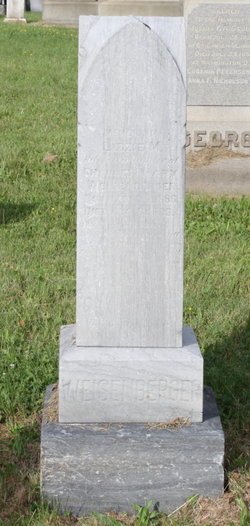
By the spring of 1899 13-year-old Lizzie Weisenberger was living with the Snell family in Washington, D.C. for 5 years. She was hired as a companion for their daughter Blanche. Her family knew the Snells and trusted them. But by spring of 1899, Lizzie who was previously happy with the arrangement was now unhappy.
She would start to beg her mother to let her come home. It had turned out that 57-year-old Benjamin Snell, Blanche's father, was molesting Lizzie. She would tell her mother what he was doing to her and she let her come home. She would then try to keep Benjamin from Lizzie. It's not stated whether or not Lizzie's father, Karl, knew about what Benjamin did to her.
Benjamin would start to beg for Lizzie to come back.
At 6 a.m. Benjamin came to the Weisenberger home and asked for a glass of water. There was no water in the home so Karl left with a bucket to get some. Once Karl left Benjamin went into the home. Inside Lizzie was still asleep and her mother was in the kitchen cooking. When she saw him she screamed at him to leave. Instead, he rushed to Lizzie's room.
Benjamin's defense would try to get an insanity plea for him. Stating that mental illness and alcohol was the reason for the murder. He said that a head injury that led to epilepsy was the cause and that bad blood was another as his parents were also cousins. He would then claim that he didn't remember the murder. Throughout the trial, his family stayed by his side.
The jury would find Benjamin guilty. He was set to be executed. By the time that he was executed he lost about 60 lbs and became mentally unstable. His family would beg for clemency. He would hang on June 29, 1900.
SOURCES:
Legal Executions in Delaware, the District of Columbia, Maryland, Virginia, and West Virginia page 19
Find a Grave
New York Daily News
Horror History
Washington Times August 13, 1899
Evening Star
The Baltimore Sun June 29, 1900
The Weekley News July 3, 1900
Monday, July 13, 2020
Murder of Elizabeth A. Darwin
On July 13, 1865, Gabriel J. Forsee had slit the throat of 36-year-old Elizabeth Darwin at her home in Monroe County, Illinois. She had previously testified against him in court and on the night of the killing, she may have rejected his sexual advances. In response he killed her. The knife he used was described as "for the value of one dollar".
Gabriel did not realize that a little girl who occupied the same apartment as Elizabeth would have seen him. She woke up to voices and with the aid of a light she was able to see Gabriel. She testified against him in court and in September he was found guilty and had gotten the death penalty. After his conviction, his wife and kids didn't contact him.
On June 2, 1866, he was hung between the courthouse and jail in Waterloo.
SOURCES:
The Woodstock Sentinel June 7, 1866
Darwintern
The Combined History of Randolph, Monroe, and Perry Counties Illinois page 158
Legal Executions in Illinois, Indiana, Iowa, Kentucky, and Missouri page 3
Gabriel did not realize that a little girl who occupied the same apartment as Elizabeth would have seen him. She woke up to voices and with the aid of a light she was able to see Gabriel. She testified against him in court and in September he was found guilty and had gotten the death penalty. After his conviction, his wife and kids didn't contact him.
On June 2, 1866, he was hung between the courthouse and jail in Waterloo.
SOURCES:
The Woodstock Sentinel June 7, 1866
Darwintern
The Combined History of Randolph, Monroe, and Perry Counties Illinois page 158
Legal Executions in Illinois, Indiana, Iowa, Kentucky, and Missouri page 3
Sunday, July 5, 2020
Murder of Louisa McAdams
In 1867 When Louisa Long was 17 she married Jesse McAdams. The two lived in Bond County, Illinois. nearby neighbors were also family of them. Near Louisa's sister and brother-in-law, John Arm. John's sister Hannah would marry John Moore. John Moore was born in New York but raised near St. Louis.
On the day of Monday, July 5, 1869, 22-year-old John Moore went to look at his wheat. He then would arrive at the home 18-year-old Louisa, who was sitting on her porch when. Her husband Jesse was not home at the time. He got her into the home by asking her questions about some books and a bureau. He would then try to attack her.
He wrapped his arms around her and tried to sexually assault her. She resisted him and then he threw her onto the floor. He then let her go. He begged her not to tell anyone of what he attempted to do to her and even offered her money. She stated that she would tell.
He then left her home and went to his. He sent his wife away and started packing up. He planned to leave, but after thinking of his wife and child he realized he didn't want to. The idea of leaving them was more than he could bear.
He then returned to the McAdams home. Louisa saw John and began to flee in fear. She tried to flee to her sister, Hannah's home by running across the field. The whole time John begged her not to tell and she still refused. She did not make it to her sister's home and John had caught her. He struck her and began to stab her and finished her off by slitting her throat.
After the murder, John pulled some shocks of wheat apart. He would then claim to hear a scream and went towards it. John claimed he had seen her from the fence and he jumped over it check on her. His story seemed implausible as you wouldn't have been able to see her body from the fence. He alerted others working the fields and alarmed his wife of the murder.
The following night John and his wife Hannah and four other people would stay the night at the McAdams home.
John seemed to not sleep well and at 3 a.m. he left the home. When Hiram McAdams asked him if he was leaving he told them no. This was a lie. One of the men watch and followed John M., but lost sight of him. They believed that he was heading to the Goodson place, so they waited for him there. It took John 15 minutes to get there.
He was wet to the boot tops and had gone to destroy the evidence of the footprints at the scene. On Tuesday around 8 to 9 a.m. John's boots were found under the dining table unhidden. There was evidence of blood on them. His pants were also unhidden and they were found with blood on them also. John's excuse for this, it happened when he helped move Louisa's body. Police then asked to see his pocket knife. John took it out of his pocket but instinctively used both hands to hand it over. This was to help prevent the officers from seeing his shaking hands.
John was then arrested for the crime and confessed to the murder. He was then taken to trial and convicted guilty with the death penalty. John Moore was hanged on October 22, 1969, in Greenville.
His last letter to his wife dated the same day he was executed read as the following
.
SOURCES:
Civil War Days and Those Surnames
Legal Executions in Illinois, Indiana, Iowa, Kentucky, and Missouri page 4
The Wheeling Daily Intelligencer July 14, 1869
Wisconsin State Journal July 15, 1869
Chicago Tribune July 15, 1869
Decatur Weekly Republican November 11, 1869
New York Times October 26, 1869
Chicago Tribune October 27, 1869
On the day of Monday, July 5, 1869, 22-year-old John Moore went to look at his wheat. He then would arrive at the home 18-year-old Louisa, who was sitting on her porch when. Her husband Jesse was not home at the time. He got her into the home by asking her questions about some books and a bureau. He would then try to attack her.
He wrapped his arms around her and tried to sexually assault her. She resisted him and then he threw her onto the floor. He then let her go. He begged her not to tell anyone of what he attempted to do to her and even offered her money. She stated that she would tell.
He then left her home and went to his. He sent his wife away and started packing up. He planned to leave, but after thinking of his wife and child he realized he didn't want to. The idea of leaving them was more than he could bear.
He then returned to the McAdams home. Louisa saw John and began to flee in fear. She tried to flee to her sister, Hannah's home by running across the field. The whole time John begged her not to tell and she still refused. She did not make it to her sister's home and John had caught her. He struck her and began to stab her and finished her off by slitting her throat.
After the murder, John pulled some shocks of wheat apart. He would then claim to hear a scream and went towards it. John claimed he had seen her from the fence and he jumped over it check on her. His story seemed implausible as you wouldn't have been able to see her body from the fence. He alerted others working the fields and alarmed his wife of the murder.
The following night John and his wife Hannah and four other people would stay the night at the McAdams home.
John seemed to not sleep well and at 3 a.m. he left the home. When Hiram McAdams asked him if he was leaving he told them no. This was a lie. One of the men watch and followed John M., but lost sight of him. They believed that he was heading to the Goodson place, so they waited for him there. It took John 15 minutes to get there.
He was wet to the boot tops and had gone to destroy the evidence of the footprints at the scene. On Tuesday around 8 to 9 a.m. John's boots were found under the dining table unhidden. There was evidence of blood on them. His pants were also unhidden and they were found with blood on them also. John's excuse for this, it happened when he helped move Louisa's body. Police then asked to see his pocket knife. John took it out of his pocket but instinctively used both hands to hand it over. This was to help prevent the officers from seeing his shaking hands.
John was then arrested for the crime and confessed to the murder. He was then taken to trial and convicted guilty with the death penalty. John Moore was hanged on October 22, 1969, in Greenville.
His last letter to his wife dated the same day he was executed read as the following
.
SOURCES:
Civil War Days and Those Surnames
Legal Executions in Illinois, Indiana, Iowa, Kentucky, and Missouri page 4
The Wheeling Daily Intelligencer July 14, 1869
Wisconsin State Journal July 15, 1869
Chicago Tribune July 15, 1869
Decatur Weekly Republican November 11, 1869
New York Times October 26, 1869
Chicago Tribune October 27, 1869
Wednesday, July 1, 2020
Murder of James Lail
On July 1, 1898, 19-year-old John Headrick went to James Lail's home in Cape Girardeau County about 3 miles out of Jackson, Missouri. He had been recently fired as a farmhand by James for stealing a buggy.
James's wife Vernie and daughter Jessie were inside their home as he was in the barn curried the horses. They watched as John entered the barn and then heard gunshots. James had been shot four times he managed to get out of the barn and his wife threw herself over him.
John then shot her once and the gun was out of ammo so he began to beat her. Jessie screamed at John that he killed her Papa and was going to kill her Mother. Vernie then got free and started running in which John pursued and stabbed her then slit her throat.
He marched Jessie around with the threat of being shot. He tried to make her promise to not tell anyone he had done it. She wouldn't do it. He also made her clean his clothes. When they got by the area Vernie's body should have been she wasn't there. This was because she ran to her mothers-in-law's home. He soon left. Vernie survived the attack, but unfortunately, James did not.
He claimed that he just came to the residence to get the money he was owed. He said when he got into the barn James threatened to beat him with the curry comb he was using. He said he was scared for his life so he shot James and attacked Vernie from the excitement.
John was hung on June 15, 1889 outside of Cape Girardeau's courthouse.
SOURCES:
Executed Today
The Record-Union
The Democrat-Argus
James's wife Vernie and daughter Jessie were inside their home as he was in the barn curried the horses. They watched as John entered the barn and then heard gunshots. James had been shot four times he managed to get out of the barn and his wife threw herself over him.
John then shot her once and the gun was out of ammo so he began to beat her. Jessie screamed at John that he killed her Papa and was going to kill her Mother. Vernie then got free and started running in which John pursued and stabbed her then slit her throat.
He marched Jessie around with the threat of being shot. He tried to make her promise to not tell anyone he had done it. She wouldn't do it. He also made her clean his clothes. When they got by the area Vernie's body should have been she wasn't there. This was because she ran to her mothers-in-law's home. He soon left. Vernie survived the attack, but unfortunately, James did not.
He claimed that he just came to the residence to get the money he was owed. He said when he got into the barn James threatened to beat him with the curry comb he was using. He said he was scared for his life so he shot James and attacked Vernie from the excitement.
John was hung on June 15, 1889 outside of Cape Girardeau's courthouse.
SOURCES:
Executed Today
The Record-Union
The Democrat-Argus
Thursday, May 28, 2020
Mrs. Colley Murdered Her Three Youngest
On May 28, 1837, The George Colley, his wife Ann and their family lived in the Police station-house in Fenton England. That night their father was out of the home. Anne the mother of 5 children the oldest being 11 and the youngest 5 months put them all to bed in the room they shared with their parents. The two oldest George (11) and Josiah (9) were laid to sleep together. Their mother put James (5 months) in his cradle. Ann and Charles slept in their bed with their mother Ann.
No one expected what was to happen that night.
The two older boys George and Josiah were screaming running down the streets. The boys were injured and were only wearing their shirts. The first person they saw they told them that their mother Ann Colley was killing their siblings. They had escaped through a window after being attacked. George and Josiah had injuries to their head and neck causing their shirts to be blood-soaked. George has one of his ears almost taken off and Josiah had a deep gash in his neck.
The boys had woken up to their mother trying to stab them. Josiah was able to escape first and then George through a kitchen window. At the time they had no idea what had happened to the younger siblings.
John Beardsworth who lived next door was one of the first to enter the police station-house the family inhabited. They went upstairs to the room the family slept in. That was where the horrors lied. Three other children two boys and a girl laid on the ground with their heads nearly severed. Their mother on the floor with them with her throat cut, but still alive.
When the Dr. arrived on the scene he tried to sew up her neck wound. She struggled and even bit the surgeon's hand in an attempt to keep him from saving her. With the assistance of three others he was able to sew it up and save her.
It had seemed as of recently her husband and the children's father had been discharged from his position. This lead the family to live in poorer conditions. They were only living day to day on the earnings from their household goods. Before her husband's discharge, she seemed to be of good character and went to church regularly.
She claimed they it wasn't her husband's fault that she had done this. She said that he was a good husband and father to the children. It was the distress from life that had caused her to want to end the childrens life. Wanting them in the good lord's hands.
When in the hospital she would pray to god and begged the nurses to read the bible to her. She was mentally unstable. When she was told that her two sons were doing well she stated: "God will take them for when they survive they must come to want."
It was brought out that George a few weeks prior caught his wife trying to harm the children (isn't specifically what she did) and threatened to send her to the asylum if she hurt them. He believed this set her straight, but unfortunately did not.
She was brought before a jury and they returned with the verdict of Willful Murder against her.
SOURCES:
The Morning Chronical
The Morning Post
Jackson's Oxford Journal
No one expected what was to happen that night.
The two older boys George and Josiah were screaming running down the streets. The boys were injured and were only wearing their shirts. The first person they saw they told them that their mother Ann Colley was killing their siblings. They had escaped through a window after being attacked. George and Josiah had injuries to their head and neck causing their shirts to be blood-soaked. George has one of his ears almost taken off and Josiah had a deep gash in his neck.
The boys had woken up to their mother trying to stab them. Josiah was able to escape first and then George through a kitchen window. At the time they had no idea what had happened to the younger siblings.
John Beardsworth who lived next door was one of the first to enter the police station-house the family inhabited. They went upstairs to the room the family slept in. That was where the horrors lied. Three other children two boys and a girl laid on the ground with their heads nearly severed. Their mother on the floor with them with her throat cut, but still alive.
When the Dr. arrived on the scene he tried to sew up her neck wound. She struggled and even bit the surgeon's hand in an attempt to keep him from saving her. With the assistance of three others he was able to sew it up and save her.
It had seemed as of recently her husband and the children's father had been discharged from his position. This lead the family to live in poorer conditions. They were only living day to day on the earnings from their household goods. Before her husband's discharge, she seemed to be of good character and went to church regularly.
She claimed they it wasn't her husband's fault that she had done this. She said that he was a good husband and father to the children. It was the distress from life that had caused her to want to end the childrens life. Wanting them in the good lord's hands.
When in the hospital she would pray to god and begged the nurses to read the bible to her. She was mentally unstable. When she was told that her two sons were doing well she stated: "God will take them for when they survive they must come to want."
It was brought out that George a few weeks prior caught his wife trying to harm the children (isn't specifically what she did) and threatened to send her to the asylum if she hurt them. He believed this set her straight, but unfortunately did not.
She was brought before a jury and they returned with the verdict of Willful Murder against her.
SOURCES:
The Morning Chronical
The Morning Post
Jackson's Oxford Journal
Friday, January 3, 2020
Murder of Joe The Quilter
Joseph Hedley better known as Joe the Quilter was a master at Quilting. He was known for his quilts so much so that some of his quilts were sent to America from his Northumberland, England Cottage. When people described the 80-year-old he was welcoming, harmless and an inoffensive man. He would even allow people to stay at his cottage with him.
He was last seen on Jan. 3, 1826 and it was believed that the horrific crime happened right after he returned home as the stuff he'd gotten that day was found.
The attack began in the cottage as he was attacked with a coal rake. He was able to escape his home and had gotten to at least across the street. The killer followed and continued to beat him. They then dragged him back to his home as it left his shoes and torn clothes showed. They beat him and then took a knife to the elderly man. They slit his throat and mangled his face. He had self-defense wounds on his hands from the knife.
Having not seen Joseph for a few days neighbors got worried and went to check on him. What they found was a bloody mess. The room seemed to have been covered in his blood. The killer even wiped his hands and then folded the towel and placed it upon a quilting frame. The cupboards and drawers seemed to have been rummaged through. Money may have been stolen.
It was believed that Joseph knew his killer and this case will remain unsolved.
SOURCES:
New Castle Weekly Courant
The Bury and Norwich Post
Caledonian Mercury
BBC
Unsolved Murders
He was last seen on Jan. 3, 1826 and it was believed that the horrific crime happened right after he returned home as the stuff he'd gotten that day was found.
The attack began in the cottage as he was attacked with a coal rake. He was able to escape his home and had gotten to at least across the street. The killer followed and continued to beat him. They then dragged him back to his home as it left his shoes and torn clothes showed. They beat him and then took a knife to the elderly man. They slit his throat and mangled his face. He had self-defense wounds on his hands from the knife.
Having not seen Joseph for a few days neighbors got worried and went to check on him. What they found was a bloody mess. The room seemed to have been covered in his blood. The killer even wiped his hands and then folded the towel and placed it upon a quilting frame. The cupboards and drawers seemed to have been rummaged through. Money may have been stolen.
It was believed that Joseph knew his killer and this case will remain unsolved.
SOURCES:
New Castle Weekly Courant
The Bury and Norwich Post
Caledonian Mercury
BBC
Unsolved Murders
Subscribe to:
Posts (Atom)