On May 13, 1872, 20-year-old Lavinia Jenkins and 24-year-old George Jenkins had a fight. George had been drinking on and off that day and came home at 8p.m. Late that night around 9 p.m. Lavinia wanted to leave the house. She at first said she was going to her sisters-in-law, but George told her no and she then told him she wanted to go to church. He told her to not leave and to go the next day.
George would then leave to go to the lodge returning home around 10. When he came home Lavinia was not home. So he went and sat on a bench between his and the neighbor's house. Lavinia would return home with a man (known to George, but not stated who it was). Lavinia called out to George and looked for him.
When she found him beside the house she was offended. She thought that George was trying to spy on her and she was angry. The two said goodbye to the man who walked her home. Once he was gone Lavinia lashed out at George telling him "I don't need you watching me." They would get into an argument leading George to drink more.
He would go and borrow a meat cleaver claiming he was going to cook meat for breakfast. Lavinia was still sleeping when George took a cleaver to his wife. He would hit her in the face, throat, shoulders, and chest.
When Robert, George's older brother, came to the house around 9 a.m. the next morning the doors were closed and the two children were outside playing. He would ask them where their mother was and one of the children would tell him, "Mother is upstairs dead."
Robert believing something was wrong went to the police station to retrieve officers. They would return to the home and forcibly broke down the door. Inside they found Lavinia still in her blood-soaked bed and George was nowhere in sight.
George would turn himself in. He would claim that he did not remember what he did to his wife. He said that he was drunk and blacked out and during the blackout out he murdered his wife. He would take an insanity plea at trial. He would also state that she would not treat him as she should have. They would find him guilty and set to be executed an on October 31, 1872, George would be executed.
SOURCES:
Legal Executions in Delaware, The District of Columbia, Maryland, Virginia, and West Virginia
The Baltimore Sun May 15, 1872
The Philidelphia Inquirer May 15, 1872
Evening Star June 27, 1872
Evening Star October 4, 1872
Evening Star October 31, 1872
Thursday, May 14, 2020

Tuesday, May 12, 2020
The Rosemarkie Man
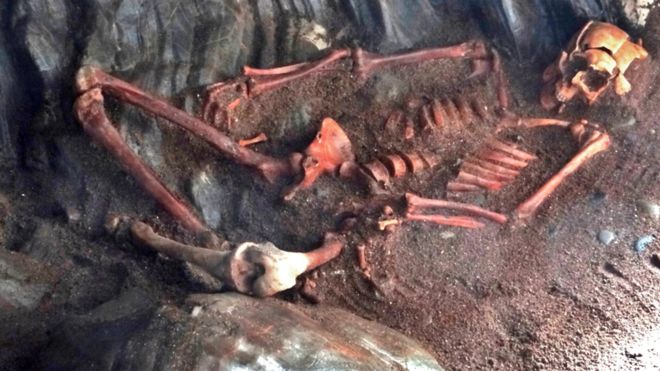
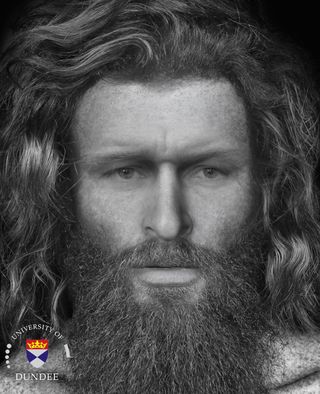
In 2016 members of the Rosemarkie Caves Project discovered the body of a medieval man in Black Isle, Ross-Shire in Scotland. He was found in the recess of the cave with his legs crossed and rocks on top of his limbs. He was possibly buried there because it may have been thought of as an "entrance to the underworld" as part of a ritual. animal bones near his remains showed there may have been a celebration for him. Even though it seemed as if he was carefully buried his death was brutal.
It's believed that he was Pictish. The Picts were a group of tribes in Scotland during the iron age and Medieval times. Romans gave them their name likely from the word "picti" which means painted ones. The Picts had distinctive tattoos and war paint.
The man had died between 430 to 630 and was around 30-years-old at the time. He was 5'6" and was well built much like a rugby player. He had a high protein diet. The fact that he had a high protein diet and didn't have any injuries that warriors would have or wear and tear from being a laborer it's believed he was Royal or a Chieftain.
His end was not pleasant. He had been attacked about the head 5 head injuries With a weapon the first 3 impacts broke his teeth and fractured his left jaw and the back of his head. The 4th, which likely ended his life, the weapon used was driven through his skull from one side out the other as he was laying on the ground.
It's unknown who this man was and why he was killed and this will remain a mystery.
SOURCES:
BBC July 24, 2019
BBC Feb. 17, 2017
Monday, May 11, 2020
Murder of Miss Lydia Bell
16-year-old Miss Lydia Bell was asked by a private in the York volunteers asked her to walk that night. She did so without telling her father between the night of May 11th and 12th of 1804 She snuck out of her Scarborough, England home around 9 p.m. leaving through a neighbor's home to not be seen by her family. The neighbor warned her not to go because the man she was meeting was married. She ignored their advice and left with him anyway. Her family became aware she snuck out and worried about her.
The next morning Lydia's body was found around 11 a.m. she was lying on the Cayton Sands about two yards in the water with her head towards the sea. It was obvious whoever killed her expected her body to be brought out to sea. She had been brutally killed. Her clothes were torn and it seemed as if someone tried to sexually assault her. She had been beaten about her face and had scars, and skin on her arm had been torn from the bone. It was obvious she fought back from her attacker. Her killer had strangled her to death. There were footprints in the sand near her body but unfortunately didn't extend to either side of the beach.
There was a malicious rumor that she was pregnant and had jumped off of a cliff to kill herself. This was not true as autopsy did not show that she was pregnant was in fact murdered.
The York Volunteer was taken in and questioned. He claimed he wasn't acquainted with the girl, but did speak with her before her death. The neighbors who she left the home of state he was the one who they saw her leave with that night. Her sister stated he was the same man to ask her on a walk and her brother stated that he had also seen him talking to his sister another day. He was found to have an alibi and magistrate was satisfied with it and released him.
The family believed he did it. Her father wrote a letter to the newspaper stating that he wasn't claiming that the whole York Volunteer was bad, but the man who killed his daughter was. He felt that people who were in the York Volunteer would understand.
It was later found out that four "witnesses" from the York Volunteers, Val Nicholson, William Short, Jonathan Simpson claimed to see another York Volunteer with Lydia on Cayton Road. He was taken to trial but was acquitted for the crime as there was no evidence.
It turned out the four had committed perjury to protect Val Nicholson. All four had suffered torments from the murder with guilt, chronic nightmares, and untimely deaths. Shortly before Val Nicholson died he confessed to killing the teen girl.
SOURCES:
Historic UK
The Times 24 May 1804
The Ipswich Journal 26 May 1804
Aberdeen Journal, and General Advertiser for the North of Scotland 06 June 1804
The Hull Packet; and East Riding Times 10 July 1804
The Monthly Mirror Volume 17
The Orthodox churchman's magazine; or, A Treasury of divine and useful knowledge
The next morning Lydia's body was found around 11 a.m. she was lying on the Cayton Sands about two yards in the water with her head towards the sea. It was obvious whoever killed her expected her body to be brought out to sea. She had been brutally killed. Her clothes were torn and it seemed as if someone tried to sexually assault her. She had been beaten about her face and had scars, and skin on her arm had been torn from the bone. It was obvious she fought back from her attacker. Her killer had strangled her to death. There were footprints in the sand near her body but unfortunately didn't extend to either side of the beach.
There was a malicious rumor that she was pregnant and had jumped off of a cliff to kill herself. This was not true as autopsy did not show that she was pregnant was in fact murdered.
The York Volunteer was taken in and questioned. He claimed he wasn't acquainted with the girl, but did speak with her before her death. The neighbors who she left the home of state he was the one who they saw her leave with that night. Her sister stated he was the same man to ask her on a walk and her brother stated that he had also seen him talking to his sister another day. He was found to have an alibi and magistrate was satisfied with it and released him.
The family believed he did it. Her father wrote a letter to the newspaper stating that he wasn't claiming that the whole York Volunteer was bad, but the man who killed his daughter was. He felt that people who were in the York Volunteer would understand.
It was later found out that four "witnesses" from the York Volunteers, Val Nicholson, William Short, Jonathan Simpson claimed to see another York Volunteer with Lydia on Cayton Road. He was taken to trial but was acquitted for the crime as there was no evidence.
It turned out the four had committed perjury to protect Val Nicholson. All four had suffered torments from the murder with guilt, chronic nightmares, and untimely deaths. Shortly before Val Nicholson died he confessed to killing the teen girl.
SOURCES:
Historic UK
The Times 24 May 1804
The Ipswich Journal 26 May 1804
Aberdeen Journal, and General Advertiser for the North of Scotland 06 June 1804
The Hull Packet; and East Riding Times 10 July 1804
The Monthly Mirror Volume 17
The Orthodox churchman's magazine; or, A Treasury of divine and useful knowledge
Thursday, May 7, 2020
Fictional Murders: Aren't You Glad You Didn't Turn On The Light?

Kelly and Danny were complete opposites. Kelly was a bookworm, who was seen as smart and responsible and Kelly liked to live life on the wild side and was seen as a party girl. Despite their differences, the two girls were best friends. When they had gotten to college the two had roomed together in the dorms.
It was getting close to their first midterms of college. Danny, being who she was, wasn't worried about the midterms. She was invited to a party by a guy she liked and really wanted to go. When two got back the room they discussed their plans.
Kelly was, of course, going to stay in the dorm and study. Danny wanted her to come to the party and enjoy the night but wasn't successful in convincing Kelly. When Danny left she felt guilty she wasn't going to stay and study, but partying is a good way of releasing stress.
It was already 3 a.m. by the time Danny got back. The lights were off and she figured Kelly was sleeping. She could hear her toss and turning on her bed and didn't want to wake her if she was already having a tough time sleeping.
In the morning Danny woke up to a horrifying sight. Above Kelly's bed written on the wall in blood was "Aren't You Glad You Didn't Turn On The Light?" She automatically ran over and found Kelly was cold and was covered in blood.
This would mean the tossing and turning she was hearing when she came in wasn't Kelly having a rough time sleeping. She was being murdered and who knows how long the murderer spent in the room before Danny woke up.
SOURCES:
How it was told to me as a child
Urban Legends Online
In the morning Danny woke up to a horrifying sight. Above Kelly's bed written on the wall in blood was "Aren't You Glad You Didn't Turn On The Light?" She automatically ran over and found Kelly was cold and was covered in blood.
This would mean the tossing and turning she was hearing when she came in wasn't Kelly having a rough time sleeping. She was being murdered and who knows how long the murderer spent in the room before Danny woke up.
SOURCES:
How it was told to me as a child
Urban Legends Online
Sunday, May 3, 2020
Murder of Unnamed Woman by Busheage
In May of 1644, a Native American man named Busheage went into the home in Stamford, Connecticut. The home was a poor family in the area. At the time the husband was out of the home and the wife and their baby were home. Busheage would take a lathing hammer and severely beat her. When he thought she was dead he robbed the place of clothing and fled. The woman was not dead and was able to tell authorities that it was an Indian who attacked her. She would soon die after revealing this.
Several weeks later other Native American's caught the killer and turned him over to the English in New Haven. He was found guilty of the crime. He would be executed in August or September of 1644 by beheading. He would be tied to a chair and in no less than 8 chops were done.
SOURCES:
Legal Executions on New England
Persons Executed in Connecticut
Registry of Known American Indian Executions
Several weeks later other Native American's caught the killer and turned him over to the English in New Haven. He was found guilty of the crime. He would be executed in August or September of 1644 by beheading. He would be tied to a chair and in no less than 8 chops were done.
SOURCES:
Legal Executions on New England
Persons Executed in Connecticut
Registry of Known American Indian Executions
Saturday, May 2, 2020
Unsolved Murders of Donald Burton and Joseph Greco

On May 2, 1959, the bodies of Donald Burton and Joseph Greco were found in the trunk of a vehicle parked on the side of the road on Montague 1/4 mile east of Meridian, Illinois. The 21-year-olds were beaten to death and had evidence of gambling paraphernalia. They were known for their frequent illegal gambling operations in the Northern Illinois area.
SOURCES:
Friday, May 1, 2020
UNIDENTIFIED: 1854, Ontario, Canada Unknown Stranger
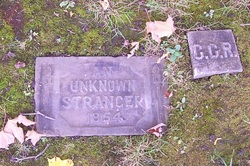
In 1854 a young man stayed at the Whitevale Inn, in Whitevale, Ontario, Canada. There is little information on this, but he had died during his sleep and had no identifying papers on him. It's not stated how long he'd stayed there or what exactly he died from. No one also came looking for the young man, and he was buried with a headstone saying "An Unknown Stranger 1854".
I couldn't find any other sources on An Unknown Stranger.
SOURCES:
Find a Grave
Subscribe to:
Posts (Atom)